
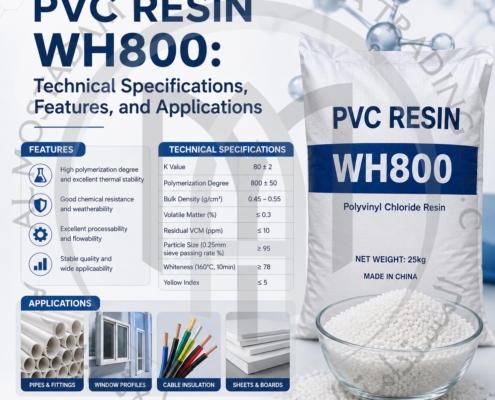
 https://almostadamco.com/wp-content/uploads/2026/08/PVC-Resin-WH800-Technical-Specifications-Features-and-Applications.jpg
1254
1254
almostadamco
https://almostadamco.com/wp-content/uploads/2025/01/AL-MOSTADAM-LOGO-PNG-290x300.png
almostadamco2026-08-21 14:06:222026-08-21 14:06:25PVC Resin WH800: Technical Specifications, Features, and Applications
https://almostadamco.com/wp-content/uploads/2026/08/PVC-Resin-WH800-Technical-Specifications-Features-and-Applications.jpg
1254
1254
almostadamco
https://almostadamco.com/wp-content/uploads/2025/01/AL-MOSTADAM-LOGO-PNG-290x300.png
almostadamco2026-08-21 14:06:222026-08-21 14:06:25PVC Resin WH800: Technical Specifications, Features, and ApplicationsPVC is a versatile and durable material widely used in construction, plumbing, and industrial applications. It offers excellent resistance to moisture, chemicals, and corrosion while providing long-lasting performance. PVC products are lightweight, cost-effective, and easy to maintain, making them a reliable choice for many projects.
Polyvinyl chloride (PVC) granules are a widely used thermoplastic material used in various industries. These granules are made from raw polyvinyl chloride along with additives such as plasticizers, stabilizers and pigments to achieve specific properties.
What Is Polyvinyl chloride (PVC)?
Polyvinyl Chloride, commonly known as PVC, is one of the most widely used synthetic plastic polymers in the world. It is a durable, lightweight, and cost-effective material that has become an essential part of modern construction, manufacturing, healthcare, and everyday life. Since its commercial introduction in the early 20th century, PVC has gained popularity because of its versatility, long service life, and resistance to chemicals, moisture, and weather conditions.PVC is produced by polymerizing vinyl chloride monomer (VCM), creating a strong thermoplastic material that can be molded into various shapes and forms. One of the greatest advantages of PVC is that it can be manufactured as either rigid or flexible, depending on the additives used during production. Rigid PVC is commonly used for pipes, window frames, doors, and building materials, while flexible PVC is found in electrical cable insulation, flooring, medical tubing, and inflatable products.One of the primary reasons PVC is so popular is its exceptional durability. It resists corrosion, rust, and chemical damage, making it ideal for water supply systems, drainage pipes, and industrial applications. Unlike metal materials, PVC does not corrode when exposed to moisture, which significantly extends its lifespan. In many cases, properly installed PVC products can last more than 50 years with minimal maintenance.Another important benefit of PVC is its affordability. Compared to many alternative materials such as metal or wood, PVC offers a lower production cost while maintaining excellent performance. Its lightweight nature also makes transportation, handling, and installation easier, reducing labor costs and project completion time.PVC also provides excellent insulation properties. It is widely used as an electrical insulator because it does not conduct electricity, making it a safe material for cable coatings and electrical installations. Additionally, its low thermal conductivity helps improve energy efficiency in buildings when used in windows, doors, and insulation systems.From an environmental perspective, PVC has both advantages and challenges. Modern manufacturing technologies have significantly improved recycling processes, allowing many PVC products to be collected, processed, and reused in new applications. Because PVC products have a long service life, they require less frequent replacement, helping conserve natural resources. However, responsible production, disposal, and recycling remain important to minimize environmental impact.Today, PVC plays a vital role in numerous industries, including construction, agriculture, automotive manufacturing, healthcare, packaging, and infrastructure development. Its combination of strength, flexibility, affordability, and durability has made it one of the most reliable materials available. As technology continues to evolve, manufacturers are developing more sustainable production methods and expanding recycling capabilities, ensuring that PVC remains an important material for future generations.
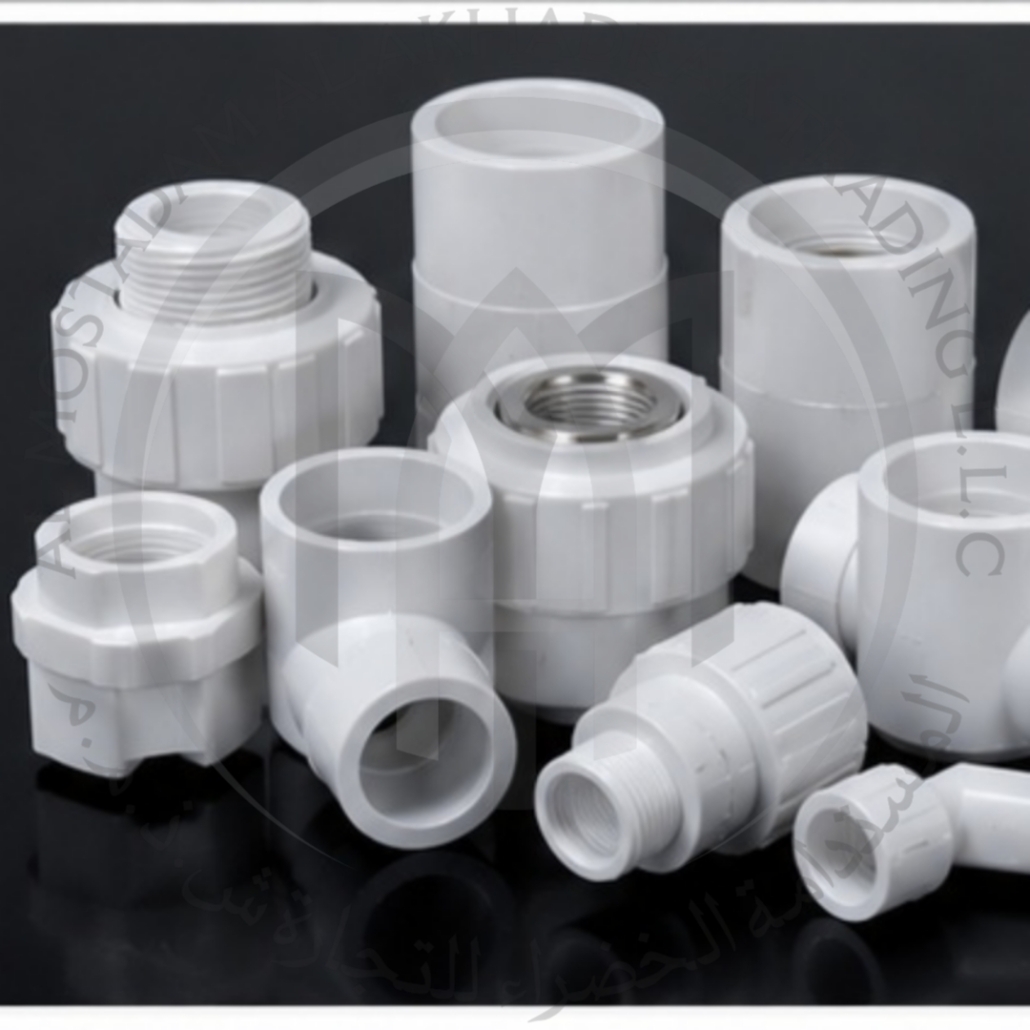

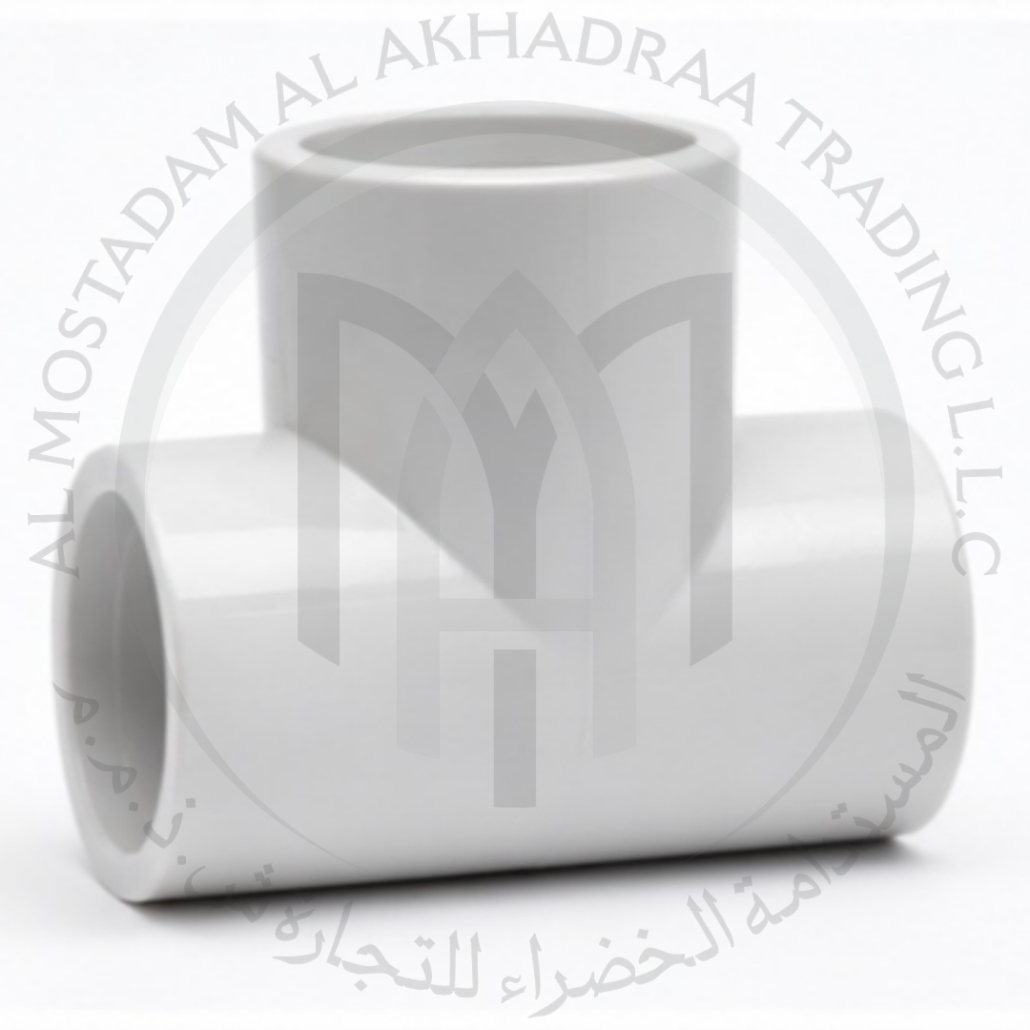
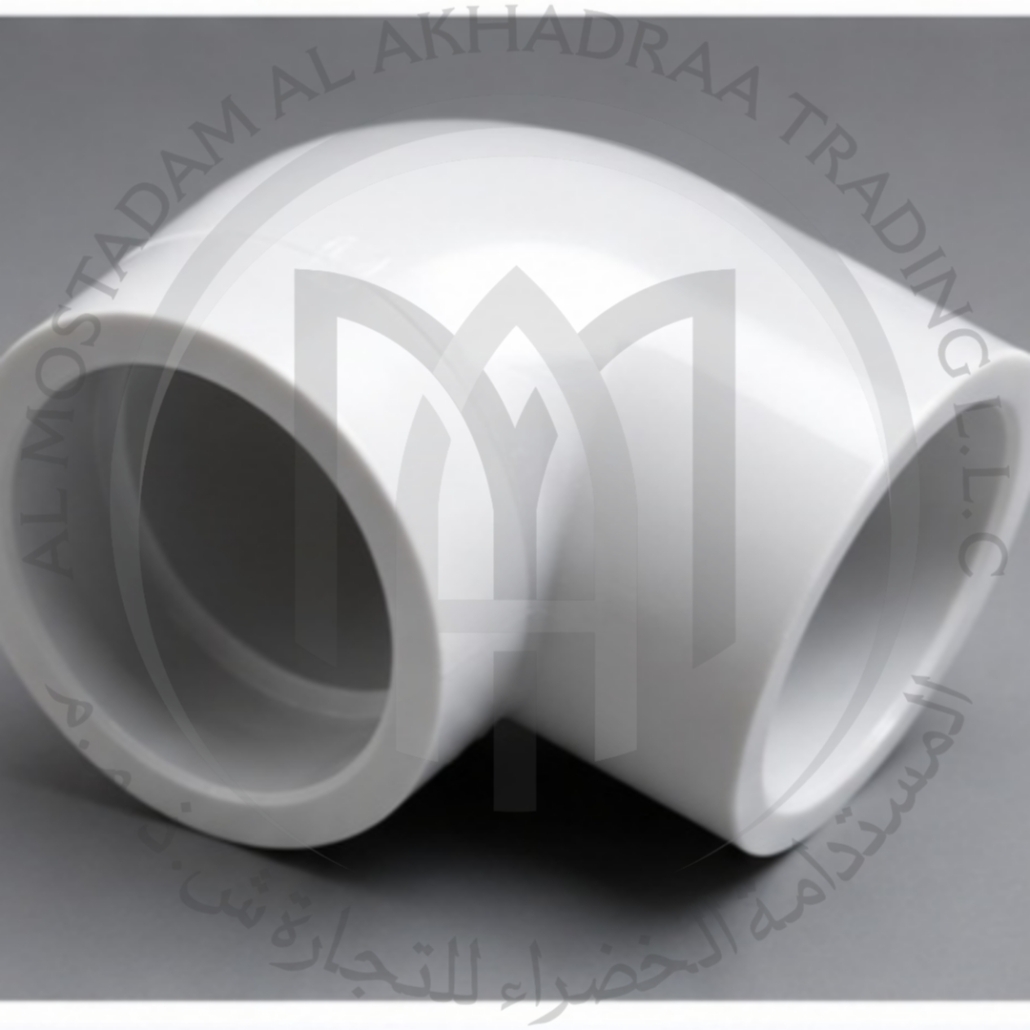
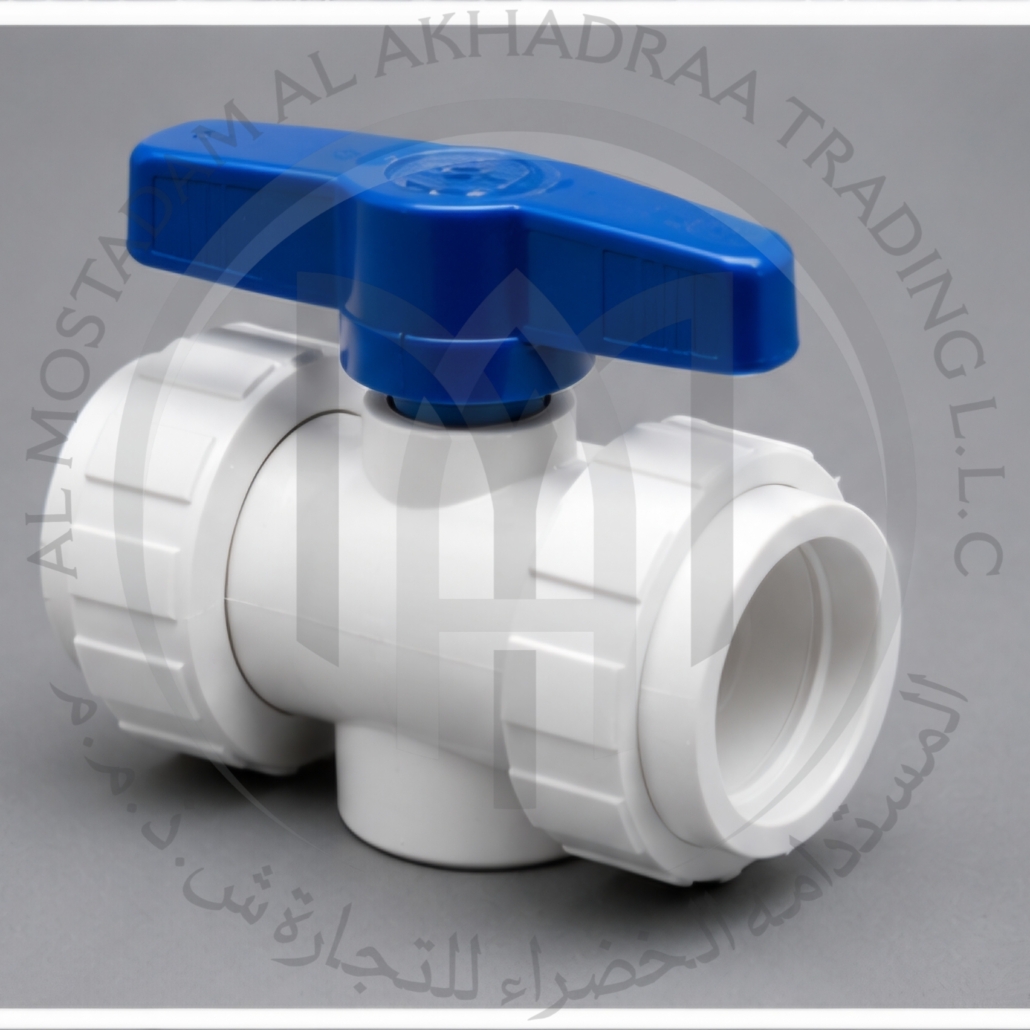
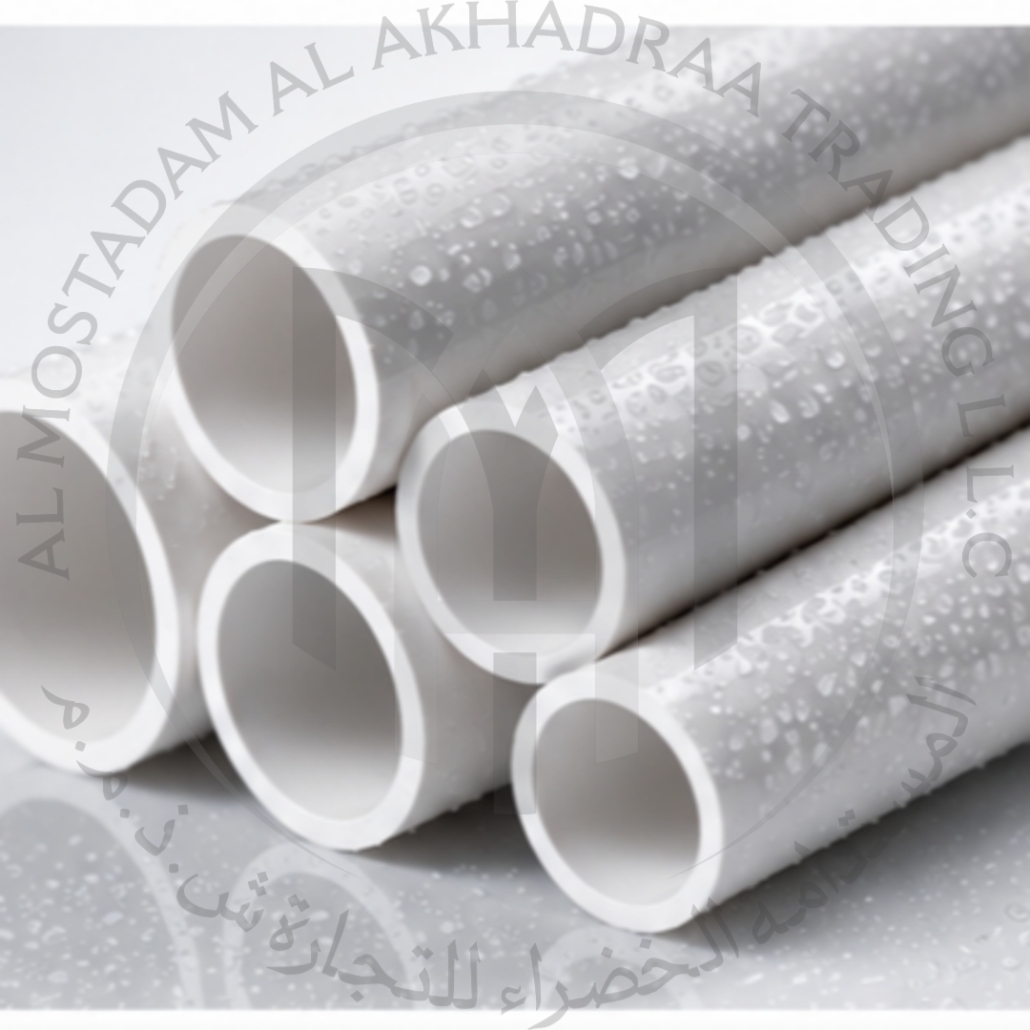
Features of PVC granules:
 High chemical resistance to acids, bases and oils.
Variable flexibility and hardness depending on the type of plasticizers added.
Excellent electrical insulation making it suitable for electrical applications.
Flame resistance which is important in some construction applications.
Types of PVC granules:
Rigid PVC: High strength and suitable for pipes, building profiles and automotive parts.
Flexible PVC: High flexibility and suitable for cables, hoses and medical products.
Transparent PVC: For products that require visual visibility, such as medical packaging and plastic windows.
Applications of PVC granules:
Manufacturing of pipes and fittings in the construction industry.
Manufacturing of electrical cables and electrical insulators.
Manufacturing of automotive parts such as gaskets and seals.
Medical products such as blood bags and medical tubes
Technical Specifications of PVC (Polyvinyl Chloride)
| Property | Typical Value / Description |
|---|---|
| Material Name | Polyvinyl Chloride (PVC) |
| Polymer Type | Thermoplastic Polymer |
| Density | 1.3 – 1.45 g/cm³ |
| Color | White, Grey, Transparent, or Custom Colors |
| Tensile Strength | 40 – 60 MPa |
| Tensile Modulus | 2,500 – 4,000 MPa |
| Impact Strength | Good impact resistance (varies by formulation) |
| Hardness | Shore D 70 – 90 (Rigid PVC) |
| Elongation at Break | 20 – 150% (depending on type) |
| Flexibility | Rigid or Flexible (depending on plasticizer content) |
| Melting / Softening Temperature | Approx. 75 – 105°C (Vicat Softening Range) |
| Service Temperature Range | -15°C to +60°C (typical applications) |
| Thermal Conductivity | 0.14 – 0.19 W/m·K |
| Electrical Insulation | Excellent electrical insulation properties |
| Water Absorption | Very Low (approx. <0.5%) |
| Chemical Resistance | Excellent resistance to acids, alkalis, salts, and many chemicals |
| UV Resistance | Good (improved with stabilizers) |
| Fire Resistance | Self-extinguishing due to chlorine content |
| Flammability Rating | UL 94 V-0 possible (depending on formulation) |
| Weather Resistance | Good outdoor durability with proper additives |
| Abrasion Resistance | Good resistance to wear |
| Processing Methods | Extrusion, Injection Molding, Calendering, Blow Molding |
| Recyclability | Recyclable thermoplastic material |
| Typical Lifespan | 50+ years in many applications |
| Common Applications | Pipes, profiles, cables, flooring, sheets, packaging, medical products |
| Standards | ASTM, ISO, DIN, EN standards (depending on application) |
Polyvinyl chloride (PVC) FAQs:
PVC (Polyvinyl Chloride) is a type of plastic material that is widely used in construction, plumbing, electrical systems, and many other industries. It is known for being durable, lightweight, and resistant to chemicals and moisture.
The two main types of PVC are rigid PVC and flexible PVC. Rigid PVC is commonly used for pipes, windows, and building materials, while flexible PVC is used for products such as cables, flooring, and medical tubing.
PVC is used in many applications, including water and sewage pipes, window frames, electrical cable insulation, flooring, packaging, and medical equipment.
PVC can be recycled and has a long lifespan, which can reduce waste. However, its production and disposal must be managed carefully to minimize environmental impacts.
PVC products can last for many decades when they are properly installed and maintained. For example, PVC pipes can often have a service life of 50 years or more.
https://almostadamco.com/wp-content/uploads/2026/08/PVC-Resin-WH800-Technical-Specifications-Features-and-Applications.jpg
1254
1254
almostadamco
https://almostadamco.com/wp-content/uploads/2025/01/AL-MOSTADAM-LOGO-PNG-290x300.png
almostadamco2026-08-21 14:06:222026-08-21 14:06:25PVC Resin WH800: Technical Specifications, Features, and Applications https://almostadamco.com/wp-content/uploads/2026/08/PVC-WH700-Properties-Applications-and-Technical-Specifications-Guide.jpg
1254
1254
almostadamco
https://almostadamco.com/wp-content/uploads/2025/01/AL-MOSTADAM-LOGO-PNG-290x300.png
almostadamco2026-08-09 16:24:402026-08-09 16:24:43PVC WH700: Properties, Applications, and Technical Specifications Guide
https://almostadamco.com/wp-content/uploads/2026/08/PVC-WH700-Properties-Applications-and-Technical-Specifications-Guide.jpg
1254
1254
almostadamco
https://almostadamco.com/wp-content/uploads/2025/01/AL-MOSTADAM-LOGO-PNG-290x300.png
almostadamco2026-08-09 16:24:402026-08-09 16:24:43PVC WH700: Properties, Applications, and Technical Specifications Guide https://almostadamco.com/wp-content/uploads/2026/08/How-to-Buy-PET-PP-and-PE-in-Bulk-Safely-Supplier-Guide-Pricing-Quality-Control.jpg
1254
1254
almostadamco
https://almostadamco.com/wp-content/uploads/2025/01/AL-MOSTADAM-LOGO-PNG-290x300.png
almostadamco2026-08-04 13:18:482026-08-04 13:23:56How to Buy PET, PP and PE in Bulk Safely (Supplier Guide, Pricing & Quality Control)
https://almostadamco.com/wp-content/uploads/2026/08/How-to-Buy-PET-PP-and-PE-in-Bulk-Safely-Supplier-Guide-Pricing-Quality-Control.jpg
1254
1254
almostadamco
https://almostadamco.com/wp-content/uploads/2025/01/AL-MOSTADAM-LOGO-PNG-290x300.png
almostadamco2026-08-04 13:18:482026-08-04 13:23:56How to Buy PET, PP and PE in Bulk Safely (Supplier Guide, Pricing & Quality Control) https://almostadamco.com/wp-content/uploads/2026/08/How-to-Choose-the-Right-HDPE-Grade.jpg
1254
1254
almostadamco
https://almostadamco.com/wp-content/uploads/2025/01/AL-MOSTADAM-LOGO-PNG-290x300.png
almostadamco2026-08-03 13:36:292026-08-03 13:39:30How to Choose the Right HDPE Grade
https://almostadamco.com/wp-content/uploads/2026/08/How-to-Choose-the-Right-HDPE-Grade.jpg
1254
1254
almostadamco
https://almostadamco.com/wp-content/uploads/2025/01/AL-MOSTADAM-LOGO-PNG-290x300.png
almostadamco2026-08-03 13:36:292026-08-03 13:39:30How to Choose the Right HDPE Grade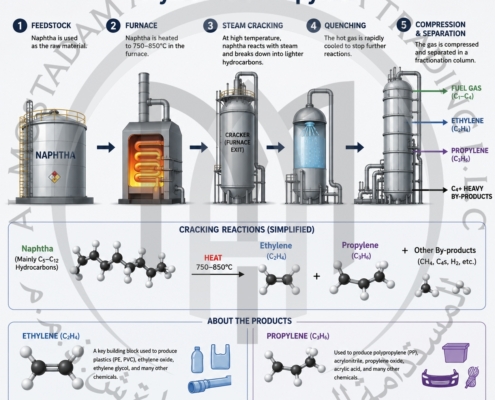 https://almostadamco.com/wp-content/uploads/2026/07/How-Naphtha-Is-Converted-into-Ethylene-and-Propylene.jpg
1254
1254
almostadamco
https://almostadamco.com/wp-content/uploads/2025/01/AL-MOSTADAM-LOGO-PNG-290x300.png
almostadamco2026-07-05 14:33:142026-07-05 14:33:16How Naphtha Is Converted into Ethylene and Propylene
https://almostadamco.com/wp-content/uploads/2026/07/How-Naphtha-Is-Converted-into-Ethylene-and-Propylene.jpg
1254
1254
almostadamco
https://almostadamco.com/wp-content/uploads/2025/01/AL-MOSTADAM-LOGO-PNG-290x300.png
almostadamco2026-07-05 14:33:142026-07-05 14:33:16How Naphtha Is Converted into Ethylene and Propylene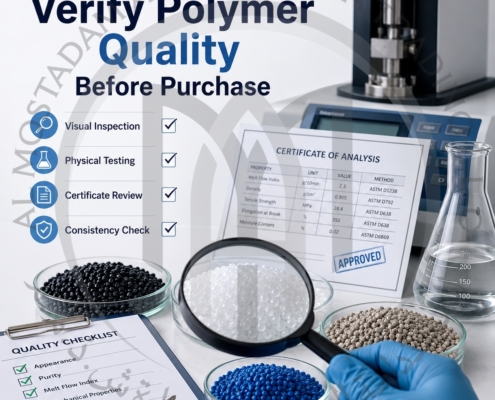 https://almostadamco.com/wp-content/uploads/2026/06/How-to-Verify-Polymer-Quality-Before-Purchase.jpg
1254
1254
almostadamco
https://almostadamco.com/wp-content/uploads/2025/01/AL-MOSTADAM-LOGO-PNG-290x300.png
almostadamco2026-06-30 15:54:582026-07-05 14:21:06How to Verify Polymer Quality Before Purchase
https://almostadamco.com/wp-content/uploads/2026/06/How-to-Verify-Polymer-Quality-Before-Purchase.jpg
1254
1254
almostadamco
https://almostadamco.com/wp-content/uploads/2025/01/AL-MOSTADAM-LOGO-PNG-290x300.png
almostadamco2026-06-30 15:54:582026-07-05 14:21:06How to Verify Polymer Quality Before Purchase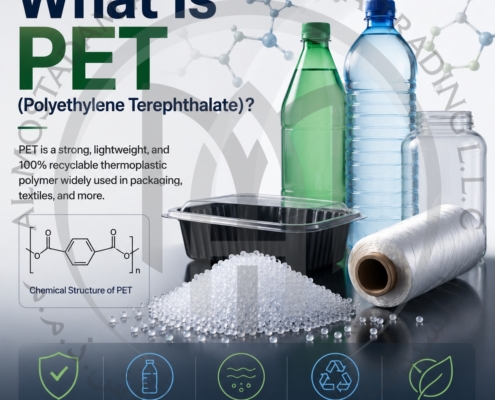 https://almostadamco.com/wp-content/uploads/2026/06/What-Is-PET-Polyethylene-Terephthalate.jpeg
1254
1254
almostadamco
https://almostadamco.com/wp-content/uploads/2025/01/AL-MOSTADAM-LOGO-PNG-290x300.png
almostadamco2026-06-22 16:39:042026-06-22 17:09:52What Is PET (Polyethylene Terephthalate)?
https://almostadamco.com/wp-content/uploads/2026/06/What-Is-PET-Polyethylene-Terephthalate.jpeg
1254
1254
almostadamco
https://almostadamco.com/wp-content/uploads/2025/01/AL-MOSTADAM-LOGO-PNG-290x300.png
almostadamco2026-06-22 16:39:042026-06-22 17:09:52What Is PET (Polyethylene Terephthalate)?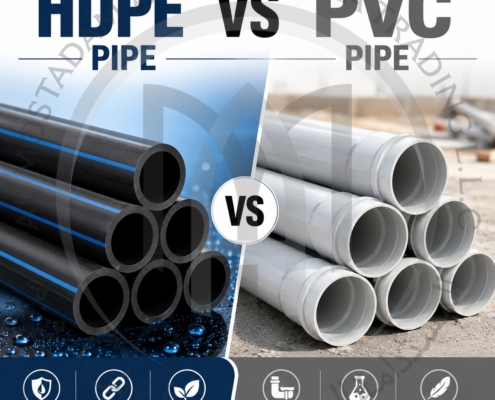 https://almostadamco.com/wp-content/uploads/2026/06/HDPE-vs-PVC-Pipe.jpg
1254
1254
almostadamco
https://almostadamco.com/wp-content/uploads/2025/01/AL-MOSTADAM-LOGO-PNG-290x300.png
almostadamco2026-06-20 15:24:542026-06-28 13:45:21HDPE vs PVC Pipe
https://almostadamco.com/wp-content/uploads/2026/06/HDPE-vs-PVC-Pipe.jpg
1254
1254
almostadamco
https://almostadamco.com/wp-content/uploads/2025/01/AL-MOSTADAM-LOGO-PNG-290x300.png
almostadamco2026-06-20 15:24:542026-06-28 13:45:21HDPE vs PVC Pipe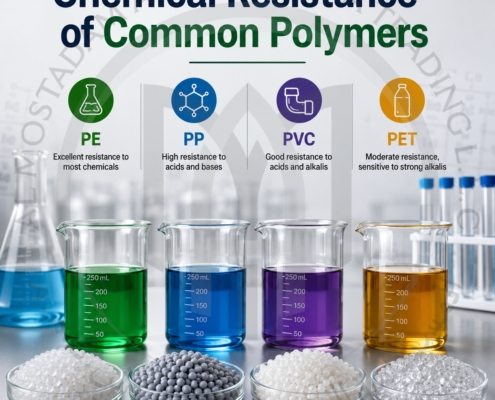 https://almostadamco.com/wp-content/uploads/2026/06/Chemical-Resistance-of-Common-Industrial-Plastics.jpeg
1254
1254
almostadamco
https://almostadamco.com/wp-content/uploads/2025/01/AL-MOSTADAM-LOGO-PNG-290x300.png
almostadamco2026-06-20 13:08:232026-06-20 13:08:25Chemical Resistance of Common Industrial Plastics
https://almostadamco.com/wp-content/uploads/2026/06/Chemical-Resistance-of-Common-Industrial-Plastics.jpeg
1254
1254
almostadamco
https://almostadamco.com/wp-content/uploads/2025/01/AL-MOSTADAM-LOGO-PNG-290x300.png
almostadamco2026-06-20 13:08:232026-06-20 13:08:25Chemical Resistance of Common Industrial Plastics