
 Lightweight
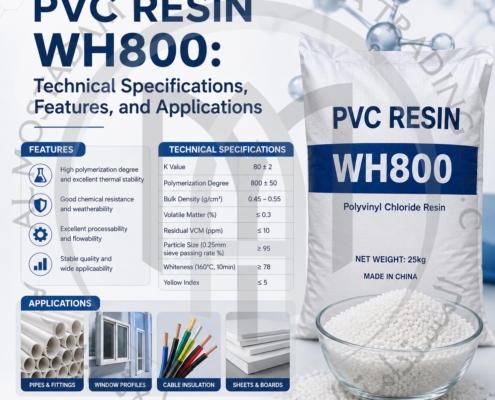 https://almostadamco.com/wp-content/uploads/2026/08/PVC-Resin-WH800-Technical-Specifications-Features-and-Applications.jpg
1254
1254
almostadamco
https://almostadamco.com/wp-content/uploads/2025/01/AL-MOSTADAM-LOGO-PNG-290x300.png
almostadamco2026-08-21 14:06:222026-08-21 14:06:25PVC Resin WH800: Technical Specifications, Features, and Applications
https://almostadamco.com/wp-content/uploads/2026/08/PVC-Resin-WH800-Technical-Specifications-Features-and-Applications.jpg
1254
1254
almostadamco
https://almostadamco.com/wp-content/uploads/2025/01/AL-MOSTADAM-LOGO-PNG-290x300.png
almostadamco2026-08-21 14:06:222026-08-21 14:06:25PVC Resin WH800: Technical Specifications, Features, and Applicationswhat is polyethylene?
Polyethylene (PE) is one of the most widely used synthetic polymers in the world. It is produced through the polymerization of ethylene, a simple hydrocarbon derived primarily from natural gas and petroleum. Since its commercial introduction in the 1930s, polyethylene has become an essential material in modern manufacturing due to its versatility, durability, and cost-effectiveness. Today, it is used in countless industries, including packaging, construction, agriculture, healthcare, and automotive manufacturing.
One of the key reasons for polyethylene’s popularity is its excellent combination of physical and chemical properties. It is lightweight, resistant to moisture, chemicals, and corrosion, and has good impact strength. Additionally, polyethylene is an excellent electrical insulator, making it suitable for cable coatings and electrical components. Depending on its molecular structure and density, polyethylene can be produced with varying degrees of flexibility, strength, and transparency, allowing manufacturers to select the most suitable type for specific applications.
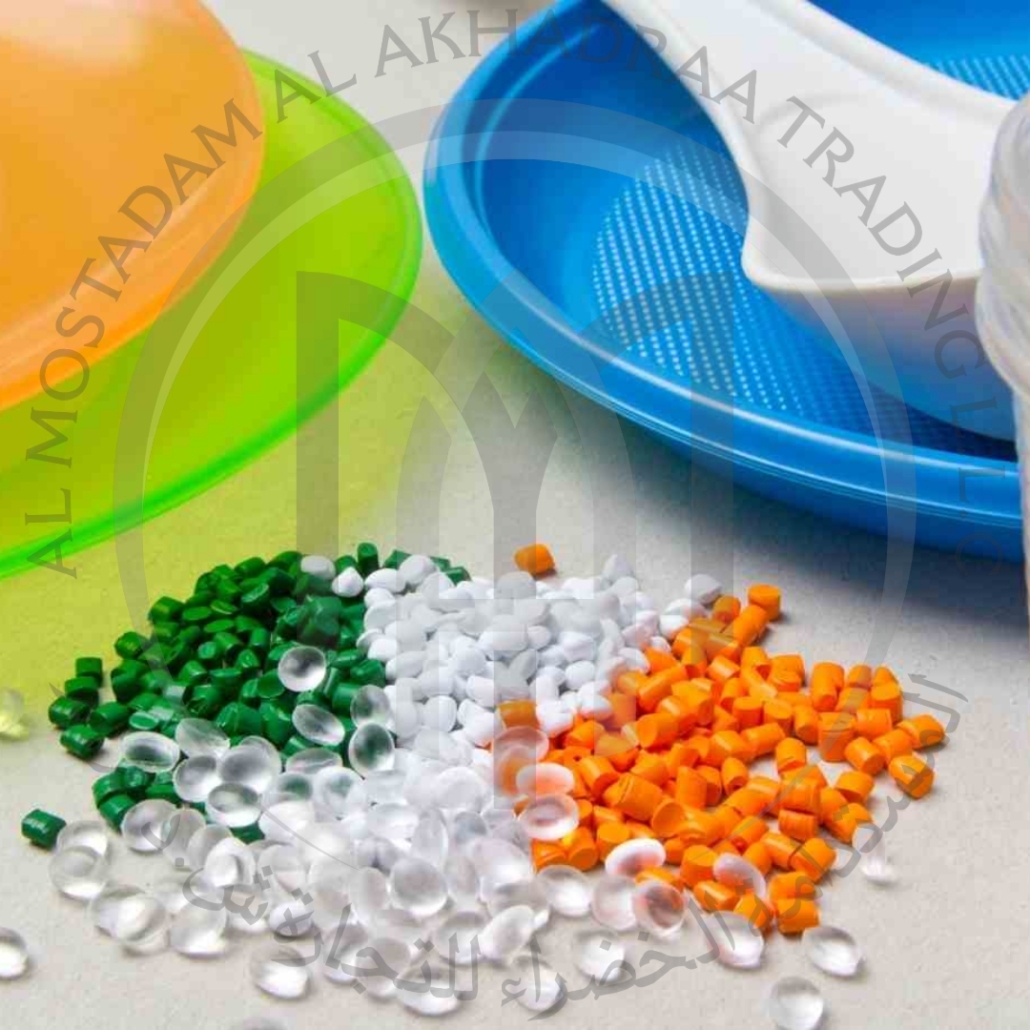
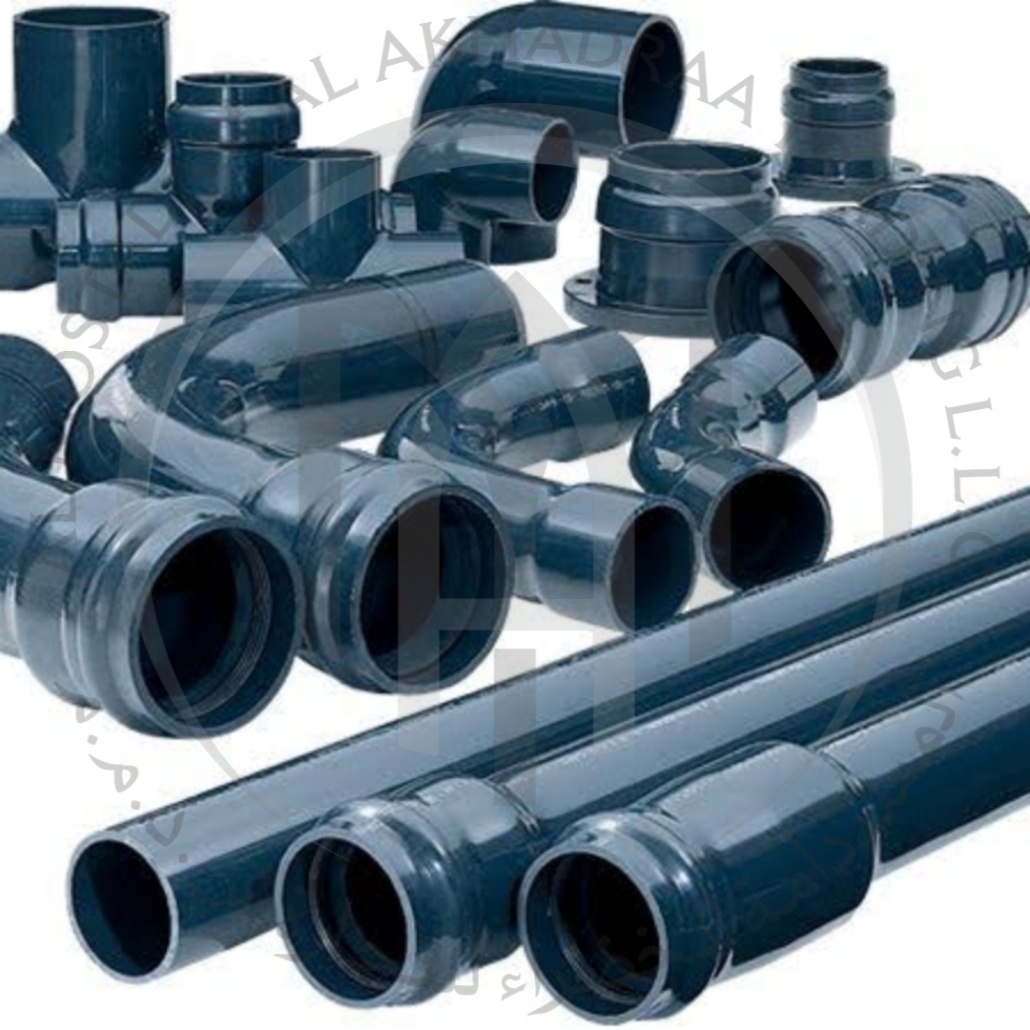
There are several major types of polyethylene, each designed for different purposes. Low-Density Polyethylene (LDPE) is known for its flexibility and softness, making it ideal for plastic bags, food packaging films, squeeze bottles, and protective wraps. High-Density Polyethylene (HDPE), on the other hand, is stronger, stiffer, and more resistant to chemicals. It is commonly used to manufacture water pipes, detergent bottles, fuel tanks, toys, and industrial containers. Another important variety is Linear Low-Density Polyethylene (LLDPE), which combines the flexibility of LDPE with improved tensile strength and puncture resistance, making it a preferred material for stretch films and heavy-duty packaging.
Polyethylene also offers significant economic and environmental advantages. It is relatively inexpensive to produce, easy to process, and compatible with a wide range of manufacturing techniques, including injection molding, blow molding, extrusion, and rotational molding. Furthermore, many polyethylene products can be recycled and reprocessed into new materials, helping reduce waste and conserve natural resources. However, like other plastics, polyethylene can persist in the environment for many years if it is not disposed of or recycled properly. As a result, improving recycling systems and developing more sustainable production methods have become important goals for the plastics industry.
In conclusion, polyethylene is a highly versatile and valuable material that plays a vital role in everyday life. From food packaging and household products to construction materials and medical equipment, its unique combination of strength, flexibility, durability, and affordability has made it one of the most important plastics in the world. As technology continues to advance, polyethylene is expected to remain a key material while becoming increasingly sustainable through innovations in recycling and environmentally friendly manufacturing processes.
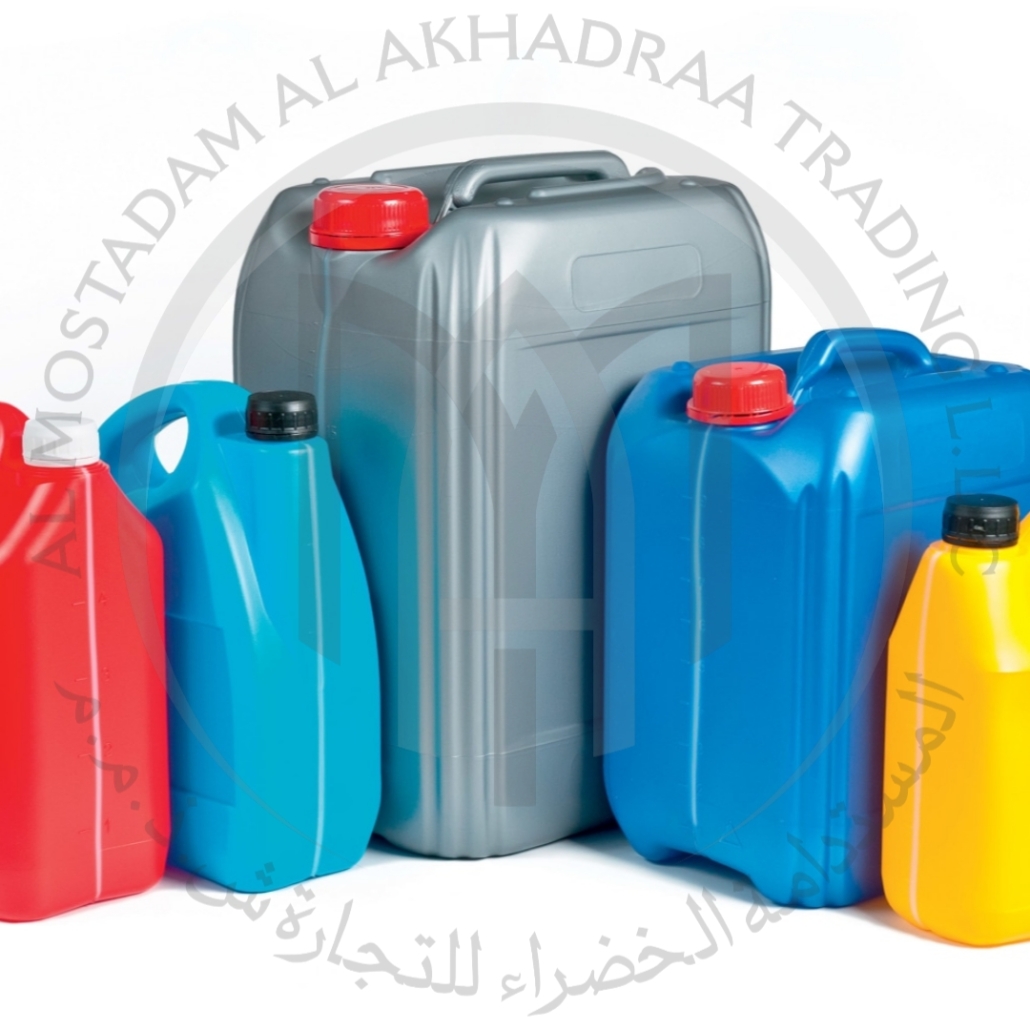
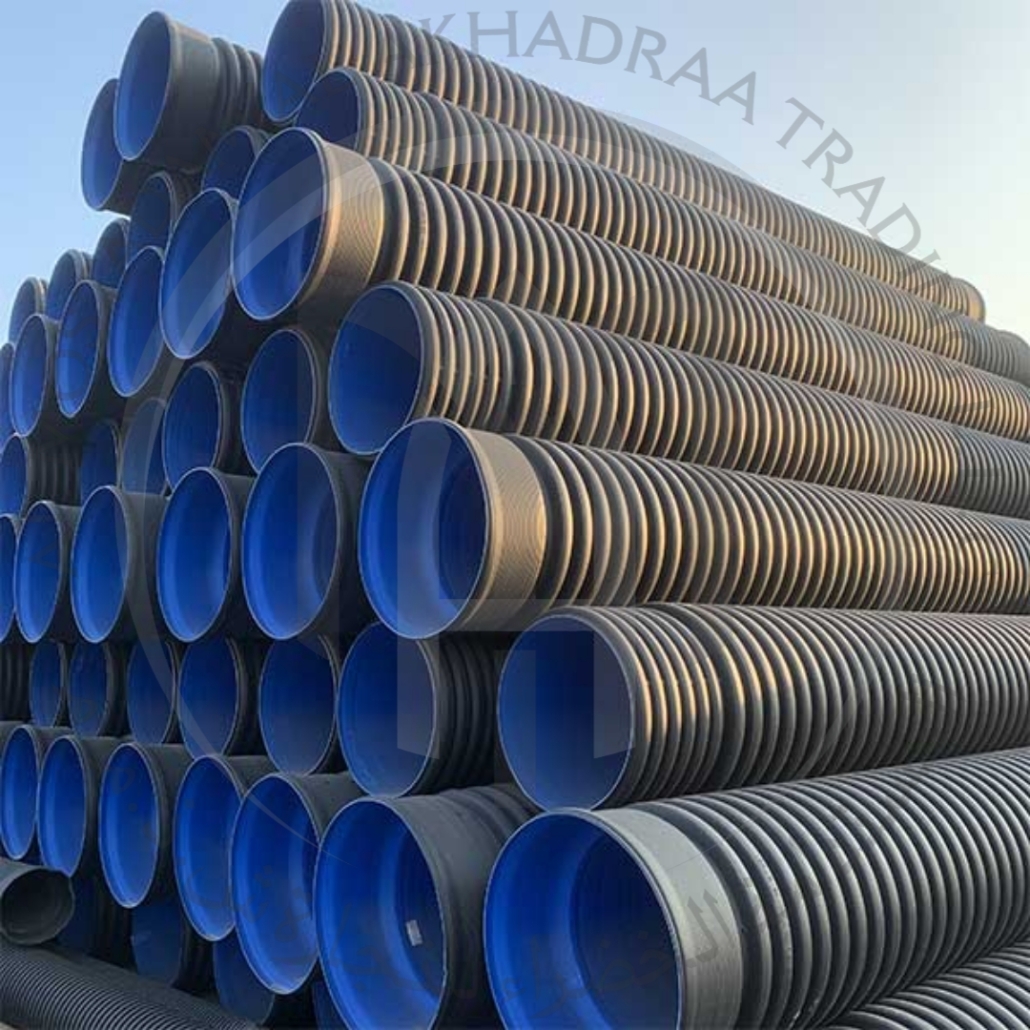
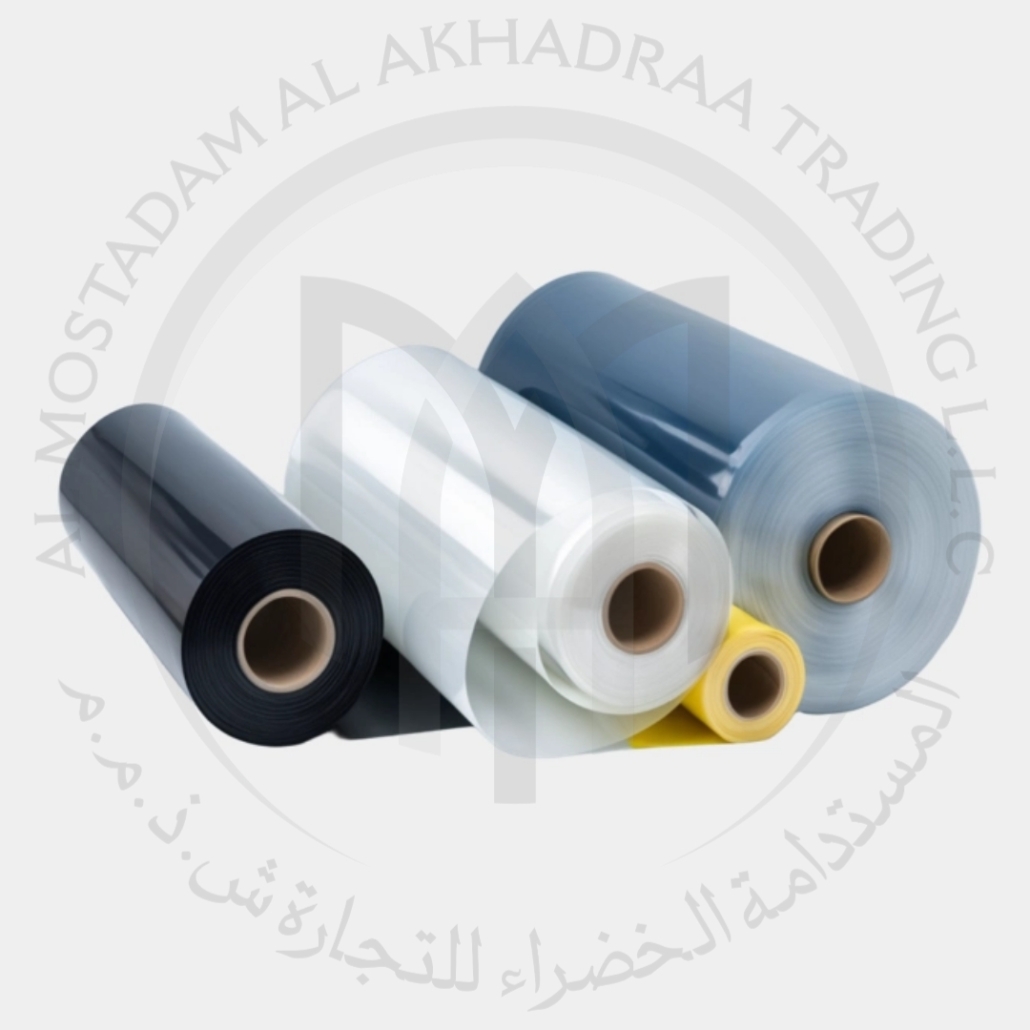
how Polyethylene is formed:
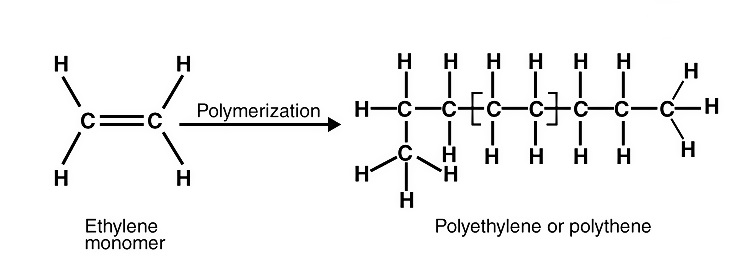
Polyethylene properties:
Technical Specifications of Polyethylene (PE):
| Property | Polyethylene (PE) |
|---|---|
| Chemical Formula | (C₂H₄)ₙ |
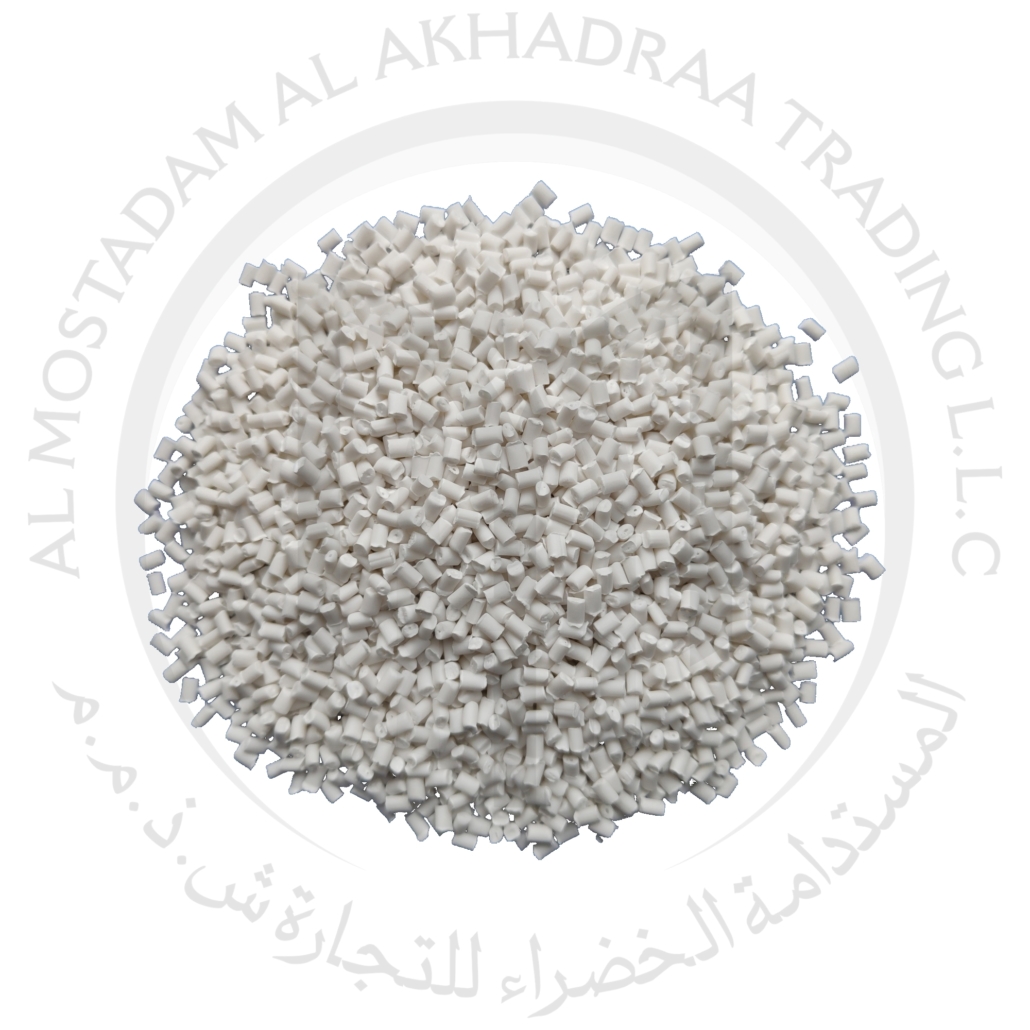
| Appearance | White to translucent solid pellets |
| Density | 0.91–0.97 g/cm³ |
| Melting Point | 105–135°C (depending on grade) |
| Glass Transition Temperature (Tg) | Approximately -125°C |
| Tensile Strength | 10–37 MPa |
| Elongation at Break | 100–1000% |
| Flexural Modulus | 180–1400 MPa |
| Hardness | Shore D 40–70 |
| Impact Resistance | Excellent |
| Water Absorption | <0.01% |
| Chemical Resistance | Excellent resistance to acids, alkalis, alcohols, and most chemicals |
| Electrical Insulation | Excellent dielectric properties |
| Thermal Conductivity | 0.33–0.52 W/m·K |
| Continuous Service Temperature | -50°C to +80°C |
| UV Resistance | Moderate; improved with UV stabilizers |
| Weather Resistance | Good |
| Abrasion Resistance | Good to Excellent |
| Coefficient of Friction | Low (0.20–0.35) |
| Flammability | UL 94 HB |
| Recyclability | Excellent (HDPE #2, LDPE #4) |
| Processing Methods | Injection Molding, Blow Molding, Extrusion, Rotational Molding, Film Extrusion |
| Common Applications | Packaging films, bottles, pipes, tanks, geomembranes, wire & cable insulation, household products, medical containers |
Polyethylene (PE) FAQs :
Polyethylene (PE) is a versatile thermoplastic polymer made from ethylene monomers. It is one of the most widely used plastics worldwide due to its lightweight structure, excellent chemical resistance, durability, and cost-effectiveness. Polyethylene is commonly used in packaging, pipes, bottles, films, industrial containers, and electrical insulation.
Polyethylene is used in a wide range of industries, including packaging, construction, agriculture, automotive, healthcare, and consumer goods. Common applications include plastic bags, bottles, water and gas pipes, geomembranes, fuel tanks, cable insulation, toys, household products, and industrial containers.
The main types of Polyethylene are High-Density Polyethylene (HDPE), Low-Density Polyethylene (LDPE), Linear Low-Density Polyethylene (LLDPE), and Ultra-High Molecular Weight Polyethylene (UHMWPE). Each type offers unique properties in terms of strength, flexibility, impact resistance, and processing, making them suitable for different industrial applications.
Polyethylene offers excellent chemical and moisture resistance, high impact strength, low water absorption, good electrical insulation, and easy processing. It is lightweight, durable, recyclable, and available in different grades to meet a wide variety of industrial and commercial requirements.
Yes. Polyethylene is one of the most recyclable plastics available. HDPE (Recycling Code #2) and LDPE (Recycling Code #4) can be recycled into new products, helping reduce plastic waste, conserve resources, and support sustainable manufacturing practices.
Polyethylene (PE) is generally more flexible and offers better impact resistance, especially at low temperatures. Polypropylene (PP) provides higher stiffness, better fatigue resistance, and greater heat resistance. The choice between PE and PP depends on the specific application, environmental conditions, and performance requirements.
https://almostadamco.com/wp-content/uploads/2026/08/PVC-Resin-WH800-Technical-Specifications-Features-and-Applications.jpg
1254
1254
almostadamco
https://almostadamco.com/wp-content/uploads/2025/01/AL-MOSTADAM-LOGO-PNG-290x300.png
almostadamco2026-08-21 14:06:222026-08-21 14:06:25PVC Resin WH800: Technical Specifications, Features, and Applications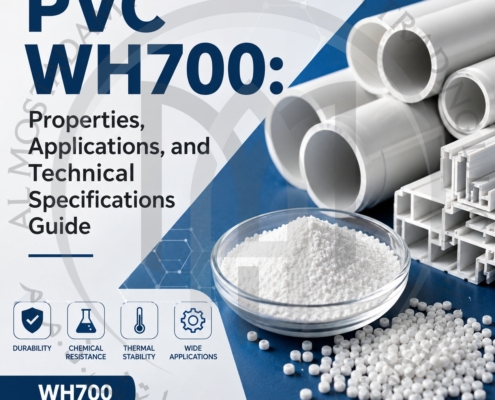 https://almostadamco.com/wp-content/uploads/2026/08/PVC-WH700-Properties-Applications-and-Technical-Specifications-Guide.jpg
1254
1254
almostadamco
https://almostadamco.com/wp-content/uploads/2025/01/AL-MOSTADAM-LOGO-PNG-290x300.png
almostadamco2026-08-09 16:24:402026-08-09 16:24:43PVC WH700: Properties, Applications, and Technical Specifications Guide
https://almostadamco.com/wp-content/uploads/2026/08/PVC-WH700-Properties-Applications-and-Technical-Specifications-Guide.jpg
1254
1254
almostadamco
https://almostadamco.com/wp-content/uploads/2025/01/AL-MOSTADAM-LOGO-PNG-290x300.png
almostadamco2026-08-09 16:24:402026-08-09 16:24:43PVC WH700: Properties, Applications, and Technical Specifications Guide https://almostadamco.com/wp-content/uploads/2026/08/How-to-Buy-PET-PP-and-PE-in-Bulk-Safely-Supplier-Guide-Pricing-Quality-Control.jpg
1254
1254
almostadamco
https://almostadamco.com/wp-content/uploads/2025/01/AL-MOSTADAM-LOGO-PNG-290x300.png
almostadamco2026-08-04 13:18:482026-08-04 13:23:56How to Buy PET, PP and PE in Bulk Safely (Supplier Guide, Pricing & Quality Control)
https://almostadamco.com/wp-content/uploads/2026/08/How-to-Buy-PET-PP-and-PE-in-Bulk-Safely-Supplier-Guide-Pricing-Quality-Control.jpg
1254
1254
almostadamco
https://almostadamco.com/wp-content/uploads/2025/01/AL-MOSTADAM-LOGO-PNG-290x300.png
almostadamco2026-08-04 13:18:482026-08-04 13:23:56How to Buy PET, PP and PE in Bulk Safely (Supplier Guide, Pricing & Quality Control)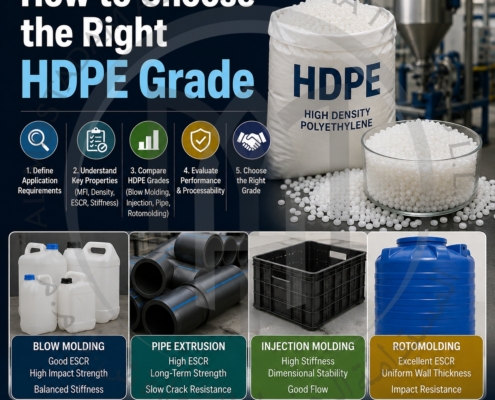 https://almostadamco.com/wp-content/uploads/2026/08/How-to-Choose-the-Right-HDPE-Grade.jpg
1254
1254
almostadamco
https://almostadamco.com/wp-content/uploads/2025/01/AL-MOSTADAM-LOGO-PNG-290x300.png
almostadamco2026-08-03 13:36:292026-08-03 13:39:30How to Choose the Right HDPE Grade
https://almostadamco.com/wp-content/uploads/2026/08/How-to-Choose-the-Right-HDPE-Grade.jpg
1254
1254
almostadamco
https://almostadamco.com/wp-content/uploads/2025/01/AL-MOSTADAM-LOGO-PNG-290x300.png
almostadamco2026-08-03 13:36:292026-08-03 13:39:30How to Choose the Right HDPE Grade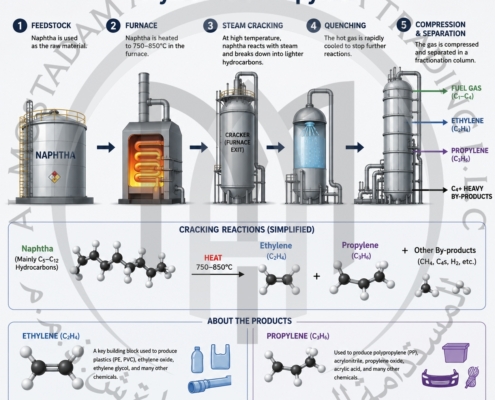 https://almostadamco.com/wp-content/uploads/2026/07/How-Naphtha-Is-Converted-into-Ethylene-and-Propylene.jpg
1254
1254
almostadamco
https://almostadamco.com/wp-content/uploads/2025/01/AL-MOSTADAM-LOGO-PNG-290x300.png
almostadamco2026-07-05 14:33:142026-07-05 14:33:16How Naphtha Is Converted into Ethylene and Propylene
https://almostadamco.com/wp-content/uploads/2026/07/How-Naphtha-Is-Converted-into-Ethylene-and-Propylene.jpg
1254
1254
almostadamco
https://almostadamco.com/wp-content/uploads/2025/01/AL-MOSTADAM-LOGO-PNG-290x300.png
almostadamco2026-07-05 14:33:142026-07-05 14:33:16How Naphtha Is Converted into Ethylene and Propylene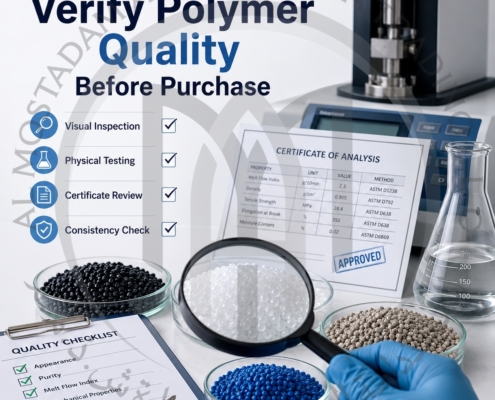 https://almostadamco.com/wp-content/uploads/2026/06/How-to-Verify-Polymer-Quality-Before-Purchase.jpg
1254
1254
almostadamco
https://almostadamco.com/wp-content/uploads/2025/01/AL-MOSTADAM-LOGO-PNG-290x300.png
almostadamco2026-06-30 15:54:582026-07-05 14:21:06How to Verify Polymer Quality Before Purchase
https://almostadamco.com/wp-content/uploads/2026/06/How-to-Verify-Polymer-Quality-Before-Purchase.jpg
1254
1254
almostadamco
https://almostadamco.com/wp-content/uploads/2025/01/AL-MOSTADAM-LOGO-PNG-290x300.png
almostadamco2026-06-30 15:54:582026-07-05 14:21:06How to Verify Polymer Quality Before Purchase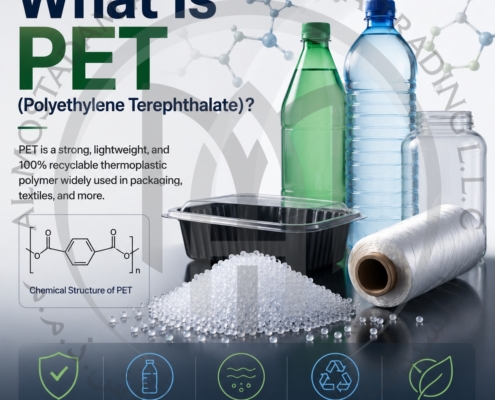 https://almostadamco.com/wp-content/uploads/2026/06/What-Is-PET-Polyethylene-Terephthalate.jpeg
1254
1254
almostadamco
https://almostadamco.com/wp-content/uploads/2025/01/AL-MOSTADAM-LOGO-PNG-290x300.png
almostadamco2026-06-22 16:39:042026-06-22 17:09:52What Is PET (Polyethylene Terephthalate)?
https://almostadamco.com/wp-content/uploads/2026/06/What-Is-PET-Polyethylene-Terephthalate.jpeg
1254
1254
almostadamco
https://almostadamco.com/wp-content/uploads/2025/01/AL-MOSTADAM-LOGO-PNG-290x300.png
almostadamco2026-06-22 16:39:042026-06-22 17:09:52What Is PET (Polyethylene Terephthalate)?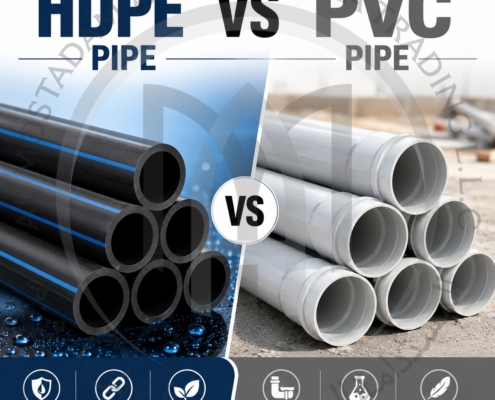 https://almostadamco.com/wp-content/uploads/2026/06/HDPE-vs-PVC-Pipe.jpg
1254
1254
almostadamco
https://almostadamco.com/wp-content/uploads/2025/01/AL-MOSTADAM-LOGO-PNG-290x300.png
almostadamco2026-06-20 15:24:542026-06-28 13:45:21HDPE vs PVC Pipe
https://almostadamco.com/wp-content/uploads/2026/06/HDPE-vs-PVC-Pipe.jpg
1254
1254
almostadamco
https://almostadamco.com/wp-content/uploads/2025/01/AL-MOSTADAM-LOGO-PNG-290x300.png
almostadamco2026-06-20 15:24:542026-06-28 13:45:21HDPE vs PVC Pipe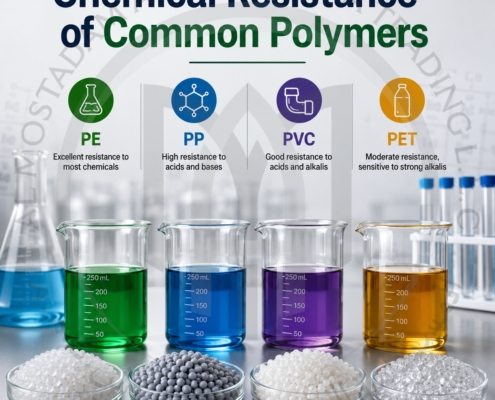 https://almostadamco.com/wp-content/uploads/2026/06/Chemical-Resistance-of-Common-Industrial-Plastics.jpeg
1254
1254
almostadamco
https://almostadamco.com/wp-content/uploads/2025/01/AL-MOSTADAM-LOGO-PNG-290x300.png
almostadamco2026-06-20 13:08:232026-06-20 13:08:25Chemical Resistance of Common Industrial Plastics
https://almostadamco.com/wp-content/uploads/2026/06/Chemical-Resistance-of-Common-Industrial-Plastics.jpeg
1254
1254
almostadamco
https://almostadamco.com/wp-content/uploads/2025/01/AL-MOSTADAM-LOGO-PNG-290x300.png
almostadamco2026-06-20 13:08:232026-06-20 13:08:25Chemical Resistance of Common Industrial Plastics